Safety Considerations for Commercial Concrete Sawing and Removal
People seeking commercial concrete sawing and removal often want safe, efficient services; local contractors can ensure proper safety measures are followed throughout the project.
If you’re exploring safety considerations for commercial concrete sawing and removal, you’ve come to the right place. Property owners in the area often face complex projects that require precise cutting and careful removal of concrete, all while maintaining a safe environment. Understanding the key safety practices involved can help prevent accidents, protect workers, and ensure the project proceeds smoothly. Local contractors experienced in concrete sawing and removal are well-versed in these safety measures and can provide the expertise needed to handle these tasks responsibly.
Continuing with this topic is essential for anyone planning a concrete removal project, whether for renovations, repairs, or new construction. Proper safety considerations not only minimize risks but also contribute to efficient work processes. Service providers in the area can assess your specific needs and implement safety protocols tailored to your project’s scope. By learning more about these safety practices, property owners can make informed decisions and partner with local specialists who prioritize safe, effective concrete sawing and removal.
- Commercial building renovations - when structural modifications require precise cutting and removal of concrete, local contractors prioritize safety considerations to protect workers and the surrounding structure.
- Floor opening installations - for creating access points in commercial floors, local pros implement safety measures to prevent debris hazards and ensure stability during sawing and removal.
- Emergency repair work - in urgent situations involving damaged concrete, local service providers focus on safety considerations to minimize risks during rapid sawing and removal processes.
- Utility line installations or repairs - when cutting through concrete for utility access, local contractors follow safety protocols to avoid accidents and damage to existing infrastructure.
- Demolition of concrete structures - for safely removing large concrete elements, local pros employ safety considerations to control dust, debris, and structural stability throughout the process.

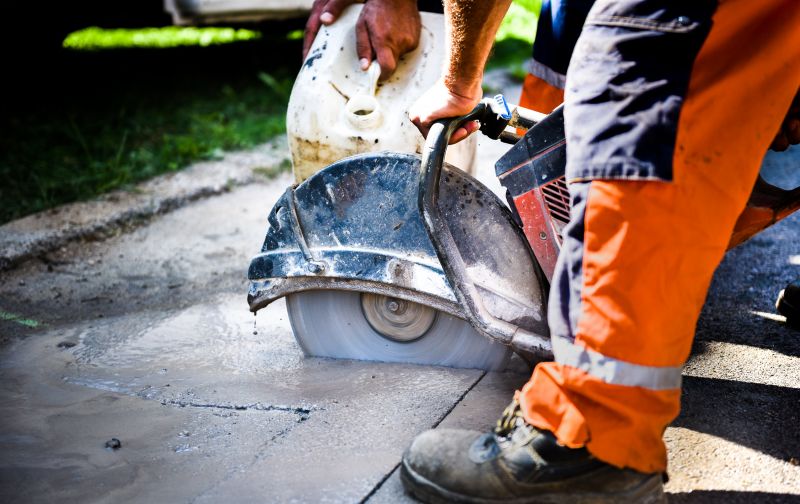
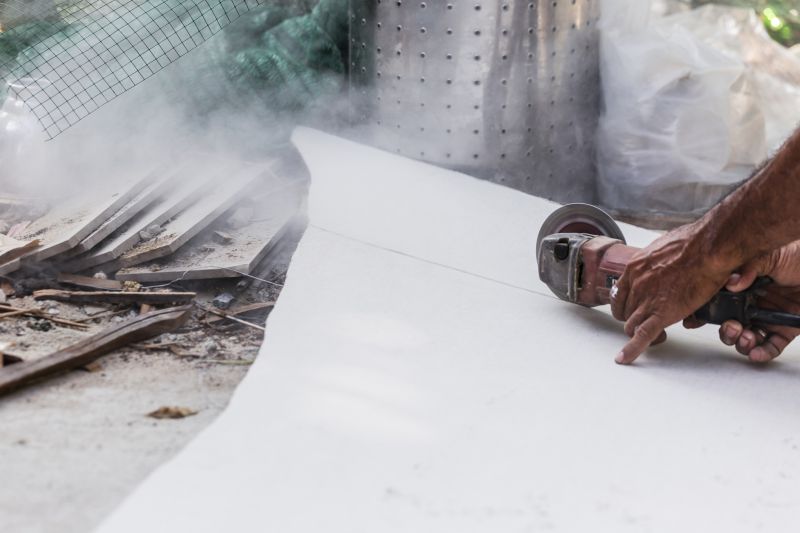
When people search for safety considerations for commercial concrete sawing and removal, they are often looking for guidance on how to ensure the work is performed without unnecessary risks. This topic typically comes up in the context of construction, renovation, or demolition projects where concrete needs to be cut or removed efficiently and safely. Homeowners, property managers, or business owners may be planning to make structural modifications, install new utilities, or remove outdated concrete surfaces, and they want to understand the safety protocols involved. Knowing what precautions are necessary helps prevent accidents, protect nearby workers or occupants, and avoid damage to surrounding structures.
These safety considerations are directly related to a variety of problems and plans involving concrete demolition or modification. For example, cutting through concrete can create dust, vibration, and debris, all of which pose hazards if not properly managed. Removing large sections of concrete requires careful planning to prevent structural instability or unintended damage. Projects may also involve working around existing utilities like electrical lines, plumbing, or HVAC components, which increases the risk of accidents if safety measures are overlooked. Proper safety planning ensures these issues are addressed, minimizing hazards during the sawing and removal process.
The types of properties where safety considerations for commercial concrete sawing and removal come into play are diverse and often include commercial buildings, industrial facilities, parking garages, and public infrastructure. These properties typically have complex concrete structures that require specialized equipment and techniques. Commercial properties might include office complexes or retail centers, which often have tight schedules and high safety standards. Industrial sites, such as factories or warehouses, may involve thicker or reinforced concrete, demanding extra caution. Regardless of the property type, working with experienced local contractors ensures that safety protocols are followed, reducing the risk of accidents and ensuring the project proceeds smoothly.
Understanding how safety considerations connect to real projects highlights the importance of engaging experienced service providers. Local pros are equipped to evaluate each property’s unique conditions, identify potential hazards, and implement appropriate safety measures. They use specialized equipment designed to minimize dust, vibration, and debris, and follow best practices for working around existing utilities and structural elements. For homeowners or property managers, partnering with these professionals helps ensure that concrete sawing and removal are completed safely, efficiently, and in accordance with industry standards. This approach not only protects everyone involved but also helps maintain the integrity of the property throughout the project.
Demolition projects - contractors handling building demolitions often require similar skills and tools for safe removal of concrete structures and debris.
Parking lot repair services - these projects involve cutting and removal of concrete surfaces, emphasizing planning and safety procedures comparable to commercial sawing tasks.
Foundation drilling and cutting - professionals performing foundation modifications use similar cutting equipment and safety measures as those in concrete sawing and removal.
Industrial facility upgrades - upgrading or retrofitting large commercial spaces often involves concrete cutting and removal, requiring careful planning and safety considerations.
Roadway and highway maintenance - these projects involve cutting and removing concrete pavement, making safety protocols and equipment handling similar to commercial sawing projects.
Structural reinforcement work - adding reinforcements to existing concrete structures involves precise cutting and removal, with a focus on safety and planning by local contractors.
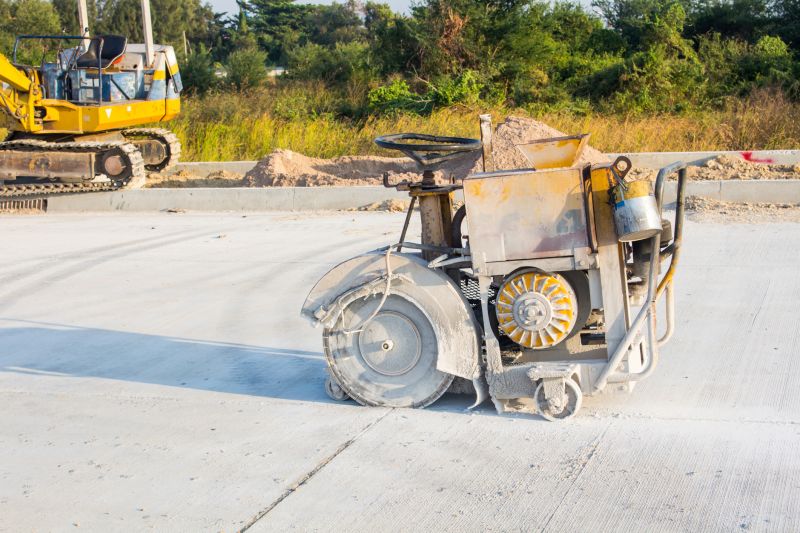
When evaluating service providers for commercial concrete sawing and removal, it is essential to consider their experience with similar projects. Contractors who have successfully handled jobs comparable in scope and complexity are more likely to understand the specific safety considerations involved. This experience can translate into better planning and execution, reducing risks associated with the work. Homeowners should inquire about the types of projects a contractor has completed and seek out those with a proven track record in safely managing projects similar to their own.
Clear written expectations are a key factor in ensuring safety during concrete sawing and removal. Service providers should be able to outline the scope of work, safety procedures, and any precautions that will be taken to protect both workers and the surrounding environment. Having this information in writing helps prevent misunderstandings and provides a reference point throughout the project. Homeowners are encouraged to review these expectations carefully and ensure they align with safety best practices before proceeding.
Reputable references and good communication are vital when choosing a contractor for concrete sawing and removal. Service providers with positive references from past clients often demonstrate a commitment to safety and professionalism. Open and transparent communication allows homeowners to ask questions, express concerns, and receive detailed explanations about safety measures. This dialogue helps establish trust and ensures that safety considerations are prioritized throughout the project, contributing to a smoother and safer experience overall.
Property owners often search for safety considerations for commercial concrete sawing and removal when they are planning practical projects around their homes and businesses. Local pros provide Commercial Concrete Sawing and Removal services for everyday jobs and straightforward project options.
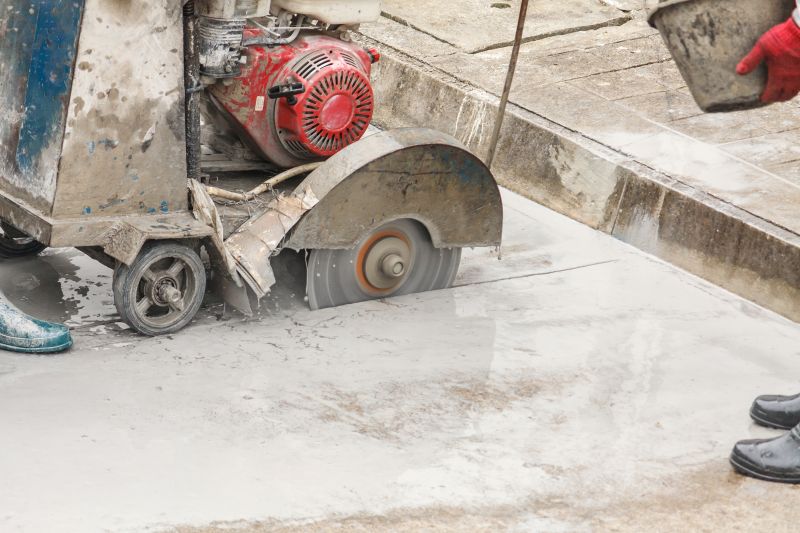
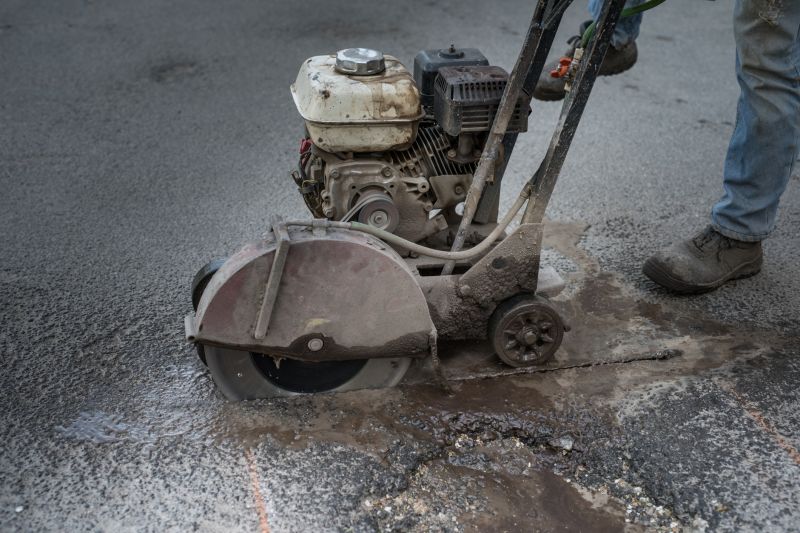
Safety considerations for commercial concrete sawing and removal are essential for property owners planning renovation or construction projects. Everyday situations, such as creating new doorways, removing old flooring, or installing utilities, often require cutting into concrete surfaces. Property owners may seek the expertise of local contractors who prioritize safety to prevent accidents, property damage, or injuries during these tasks. Understanding the importance of proper procedures and equipment helps ensure that the work is completed efficiently and safely, minimizing disruptions and potential hazards on-site.
Choosing experienced service providers is a wise step for property owners concerned about safety during concrete sawing and removal. Local contractors equipped with the right tools and knowledge can manage safety risks effectively, from controlling dust and debris to avoiding structural issues. Relying on professionals also helps ensure adherence to safety standards, reducing the likelihood of accidents that could impact workers, residents, or nearby businesses. For those considering a concrete removal project, connecting with local experts can provide peace of mind that safety is a priority throughout the process.
What safety precautions should be considered during commercial concrete sawing? Safety considerations for commercial concrete sawing include proper equipment handling, adequate ventilation, and the use of personal protective equipment to prevent injuries and exposure to dust and debris. Local contractors typically implement these precautions to ensure safe operations.
How can contractors minimize dust and debris during concrete removal? To reduce dust and debris, service providers often use dust suppression methods such as water sprays or vacuum systems, along with containment barriers to protect surrounding areas and workers from airborne particles.
Are there specific safety measures for working around existing structures? Yes, contractors assess structural stability and use support systems or shoring to prevent accidental collapses or damage during sawing and removal, ensuring safety for workers and nearby structures.
What role does site assessment play in safety for concrete sawing and removal? Site assessments help identify potential hazards such as underground utilities or unstable surfaces, enabling local service providers to plan safe procedures and prevent accidents during the project.
Why is proper training important for safety in concrete sawing and removal? Proper training ensures that workers understand safe operating procedures, recognize hazards, and use safety equipment correctly, which helps prevent accidents and injuries during the work process.
Proper Training and Experience - Ensuring that contractors have adequate training helps prevent accidents during concrete sawing and removal projects.
Equipment Safety Features - Choosing saws with safety features like blade guards and emergency shut-offs can reduce risks on-site.
Site Assessment and Planning - Conducting a thorough assessment allows property owners to identify potential hazards before work begins.
Use of Personal Protective Equipment - Encouraging the use of PPE such as goggles, gloves, and hearing protection helps protect workers during the process.
If you are thinking about safety considerations for commercial concrete sawing and removal for a property, this guide is meant to help you understand this topic, the typical project types, and how different options might fit your plans.
When you are ready, you can use the quote form on this page to share a few details about your project. From there, local pros can review the basics and follow up with options that match what you have in mind.