Compare Local Contractors for Basement Wall Cutting Services
Compare local contractors for basement wall cutting to verify experience, define project scope, and establish clear expectations in writing for a successful outcome.
Basement wall cutting is a specialized service that involves modifying or removing sections of existing basement walls to accommodate structural changes, create openings, or improve functionality. This work typically covers tasks such as creating doorways or windows, enlarging existing openings, or performing structural adjustments to support new features. Properly executed wall cutting requires careful planning to ensure the integrity of the foundation and the safety of the property. It’s important for property owners to clearly define the scope of work-specifying which sections of the wall need modification, the purpose of the cut, and any supporting structural considerations-to help contractors understand the project's requirements and deliver the desired outcome.
Defining the scope of basement wall cutting projects is a crucial step that helps prevent misunderstandings and ensures that expectations are aligned. Property owners should consider the specific details of the work, such as the size and location of openings, the type of wall (e.g., poured concrete, cinder block), and any structural reinforcements needed. Having a clear, written description of the project can assist in comparing local contractors effectively, as it provides a basis for evaluating their experience, approach, and ability to meet the outlined requirements. When scope details are well documented, it becomes easier to verify that contractors understand the work involved and are prepared to handle the project safely and efficiently.
Comparing local contractors for basement wall cutting involves assessing their experience, reputation, and ability to meet the project’s specific needs. Property owners should look for service providers who have a proven track record with similar projects and who can provide references or examples of past work. It’s also beneficial to review how contractors plan to approach the job, including their methods for ensuring structural stability and safety. By requesting detailed written proposals that outline the scope, approach, and any necessary precautions, property owners can better evaluate each contractor’s capabilities and determine which service providers are best equipped to deliver the desired results. Proper comparison helps ensure the chosen contractor can execute the project to meet the property owner’s expectations and requirements.
Compare local contractors by outlining project priorities, verifying experience, and setting clear expectations in writing.
- Verify Experience - Ensure contractors have relevant experience in basement wall cutting projects.
- Define Scope Clearly - Outline specific work requirements to prevent misunderstandings.
- Compare Multiple Service Providers - Review qualifications and past work to identify suitable contractors.
- Document Expectations in Writing - Establish agreed-upon details to support project clarity and accountability.

Clearly describe your basement wall cutting project and compare local contractors’ experience and scope of work to set proper expectations.
- Verify the experience and expertise of contractors in basement wall cutting projects. Ensure they understand the structural implications and proper techniques for wall modifications. Compare the scope of work outlined by different service providers to ensure clarity and completeness. Look for contractors who can clearly define the extent of cutting, reinforcement, and finishing details. Check that contractors provide a written scope of work and project expectations to prevent misunderstandings. Confirm that service providers have appropriate tools and methods for precise and safe wall cutting. Assess the communication and professionalism of contractors to ensure they can effectively address project requirements and concerns.
Compare local contractors' experience, clarify project scope, and set expectations in writing for basement wall cutting.
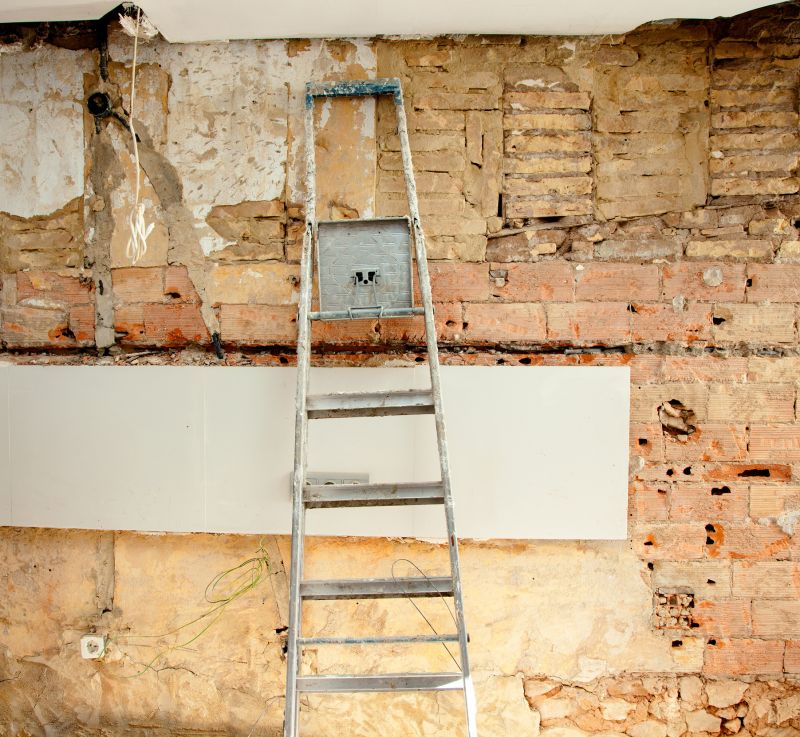
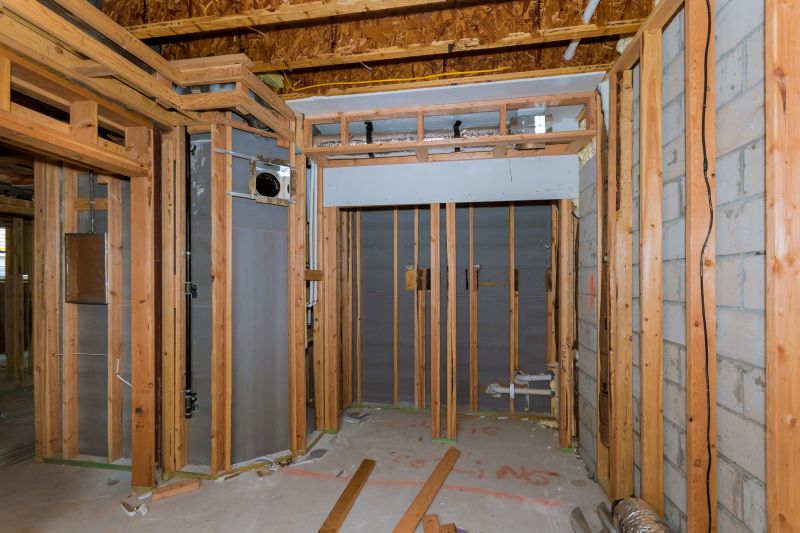


Compare local contractors' experience and scope definitions carefully to ensure consistent expectations across providers.
- Scope Definition - Clearly outline the specific areas of the basement wall to be cut and the desired outcome.
- Experience Verification - Confirm that the service providers have relevant experience with basement wall cutting projects.
- Material and Tool Assessment - Identify the types of materials involved and ensure the contractors have appropriate tools and techniques.
- Structural Impact Consideration - Determine how wall cutting may affect the structural integrity and specify any necessary precautions.
- Written Agreement - Ensure all project details, scope, and expectations are documented in a comprehensive written agreement.
When comparing contractors for basement wall cutting, it is important to consider their experience with similar projects. Homeowners should inquire about the types of walls the service providers have worked on and whether they have handled projects of comparable scope and complexity. A contractor with a proven track record in basement wall modifications can offer insights into potential challenges and ensure that the work aligns with structural considerations. Gathering details about their previous work helps establish confidence in their ability to manage the specific requirements of the project.
A clearly written scope of work is essential for setting proper expectations and ensuring all parties are aligned. Homeowners should seek contractors who can provide a detailed description of the services included, such as wall measurements, cutting methods, and any necessary reinforcement or finishing work. Having a comprehensive scope documented in writing minimizes misunderstandings and provides a reference point throughout the project. It also helps in evaluating whether a service provider's offerings match the specific needs of the project.
Verification basics involve confirming that the contractor has the appropriate experience and a solid understanding of project requirements. Homeowners should ask about the contractor’s familiarity with local building codes or regulations that might impact basement wall cutting. Requesting references or examples of completed projects can also serve as verification of their expertise. Additionally, confirming that the contractor has the necessary equipment and skills to perform the work safely and effectively is a key step in the evaluation process.
Evaluating options without focusing on prices involves assessing the quality of service, communication, and professionalism. Homeowners should compare how clearly each contractor explains their approach and whether they provide detailed written proposals. It’s important to consider how well the service providers understand the scope of work and whether they have a transparent process for addressing questions or concerns. By focusing on experience, scope clarity, and verification, homeowners can make informed decisions that lead to successful basement wall cutting projects handled by capable local contractors.
Request written scope details from local contractors to ensure clarity and consistency throughout the basement wall cutting project.
- Experience and Expertise - How can I verify the experience of local contractors performing basement wall cutting?
- Scope of Work - What specific tasks and responsibilities are included in the scope of basement wall cutting services?
- Project Expectations - How should scope details be documented to ensure clear understanding between parties?
- Comparison Criteria - What factors should be considered when comparing different local contractors for basement wall cutting?
- Workmanship and Quality - How can I assess the quality and reliability of a contractor’s previous basement wall cutting projects?
How can I compare contractors for basement wall cutting? To compare contractors, review their experience with similar projects, verify their references, and ensure they provide clear scope descriptions and written estimates to make informed decisions.
What should I look for when defining the scope of basement wall cutting? Clearly outline the specific walls or sections to be cut, the purpose of the work, and any structural considerations to ensure contractors understand the project requirements.
How can I verify a contractor’s experience with basement wall cutting? Ask for details about past projects, request references, and review any available work samples to assess their familiarity and expertise with similar jobs.
Why is it important to have the scope of work in writing? Having a detailed, written scope helps prevent misunderstandings, sets clear expectations, and provides a reference for project completion and accountability.
What questions should I ask contractors before hiring for basement wall cutting? Inquire about their experience, the methods they use, how they handle structural considerations, and how they plan to protect existing structures during the work.
How can I ensure the contractor understands my project needs? Communicate your project goals clearly, ask for a detailed written plan, and confirm that the scope aligns with your expectations before work begins.
This page provided an overview of basement wall cutting services, emphasizing the importance of clearly defining project scope, verifying the experience of service providers, and establishing written expectations. Visitors learned how to compare local contractors effectively to find professionals who meet their specific needs. Utilizing the quote form allows for straightforward comparisons among nearby service providers, helping to make informed decisions without the need for direct contact or commitments.
By using the provided quote form, visitors can easily connect with local contractors capable of handling basement wall cutting projects. It’s a practical step to explore options, review scope details, and verify the experience of service providers in the area. Taking this approach helps ensure that the process of selecting a contractor aligns with individual project requirements and expectations.